
5 Common Mistakes That Ruin Green Tea and How to Fix Them
5 Common Mistakes That Ruin Green Tea and How to Fix Them
Green tea has a reputation for being fussy, and it earns that reputation honestly. The same leaves that taste sweet and grassy in a tea shop can turn bitter and flat in your own kitchen with nothing obviously going wrong. Usually something is going wrong — just quietly. A handful of small habits account for most disappointing cups, and each one is easy to correct once you know what to look for. Here are the mistakes worth fixing first, roughly in the order they do damage.
Mistake 1: Water That's Too Hot
Pour boiling water onto green tea and you'll taste it immediately: a sharp, bitter, almost metallic tang that dries out your mouth and leaves the leaves themselves smelling like cooked spinach. Green tea is not black tea. Its leaves are usually steamed or pan-fired soon after picking, which preserves delicate amino acids, volatile aromatics, and catechins. Boiling water doesn't just brew those compounds — it scorches them. The result is a cup that tastes harsh and one-dimensional, no matter how good the tea was.
The ideal temperature depends on the tea. Japanese greens like sencha and gyokuro are the most delicate, while Chinese greens like dragon well can handle a little more heat. As a rule, the greener and more needle-like the leaf, the lower the temperature should be.
- Gyokuro and high-grade matcha: 140–160°F (60–70°C)
- Sencha, kabusecha, and most Japanese greens: 160–170°F (70–75°C)
- Dragon well, bi luo chun, and other Chinese greens: 170–180°F (75–80°C)
- Genmaicha and hojicha: 175–185°F (80–85°C), since they are more forgiving
If you don't own a thermometer, you can still get close. Bring water to a boil, then pour it into a cool pitcher or teacup and let it sit for two to five minutes. Or pour it from one cup to another a few times to release heat. You can also watch the steam: when it slows to a faint wisp instead of a rolling cloud, the water is usually in the right range.
Never pour boiling water directly onto green tea leaves. If you hear a sizzle, the water is too hot.
Mistake 2: Steeping Too Long
Even with perfect water, time is the other silent killer. Green tea releases its best flavors quickly — often within the first minute. Leave the leaves in too long, and you start extracting tannins and bitter compounds that were meant to stay behind. A tea that should taste like fresh grass and sweet cream becomes astringent and drying.
Most green teas need only 1 to 2 minutes for the first infusion. Some delicate teas, like gyokuro, need even less. If you are used to steeping black tea for five minutes, this will feel alarmingly short. Trust it. You can always add time on the next infusion, but you cannot remove bitterness once it is in the cup.
The fix is simple: set a timer, and taste the tea earlier than you think you should. At 45 seconds, take a small sip. If it tastes too weak, give it another 15 seconds. If it tastes slightly bitter, pour it off immediately. Removing the leaves stops the extraction instantly. A good green tea can often be re-steeped two or three times, with each infusion revealing a different side of the leaf.
Mistake 3: Using the Wrong Amount of Tea
When a cup tastes weak, the instinct is to steep longer. That is usually the wrong move. More often, the real problem is the leaf-to-water ratio. Too little tea and you end up with a thin, watery cup that encourages over-steeping. Too much tea and the brew turns intense and bitter even if your timing is perfect.
A good starting point is 1 teaspoon of loose green tea per 8 ounces of water, or about 2 to 3 grams by weight. But that varies by tea type. Gyokuro is traditionally brewed with a generous amount of leaf and very little water — sometimes 5 grams per 4 ounces — to create a concentrated, savory umami broth. Dragon well, on the other hand, is often brewed lighter.
- Loose leaf: 1 teaspoon per 8 oz, adjust after tasting
- Gyokuro: 2 teaspoons per 4–6 oz, low temperature
- Sencha: 1 teaspoon per 8 oz, 160–170°F
- Bagged tea: 1 bag per 8 oz, but check the brand — some use very fine dust that brews faster
A small kitchen scale takes the guesswork out of it. Weigh your tea once or twice, and you will quickly learn what a proper spoonful looks like for your favorite leaf.
Mistake 4: Ignoring Your Water Quality
Tea is mostly water, so if your water tastes off, your tea will taste off. Tap water often contains chlorine, fluoride, and dissolved minerals that can flatten the aroma and create a chalky or metallic aftertaste. Hard water is especially hard on green tea, because the minerals bind with the tea's compounds and mute the flavor.
The best water for green tea is clean, neutral, and low in minerals. Filtered water is usually a good choice. Spring water can be excellent if it is not too mineral-heavy. Distilled water is actually a poor choice, because it lacks the minerals that help tea taste round and full. If you must use tap water, let it run for a few seconds and consider a simple carbon filter.
- Do: use fresh, filtered, or gentle spring water
- Don't: use distilled water or strongly mineralized water
- Don't: re-boil water that has been sitting in the kettle, as it concentrates minerals and tastes flat
Once you switch to better water, you may find that you can taste the tea's natural sweetness for the first time — even without changing anything else.
Mistake 5: Storing Tea Poorly
Green tea is fragile. Unlike aged pu-erh or roasted oolong, it does not improve with time. It fades. The enemies are light, heat, air, moisture, and strong odors. Leave a bag of green tea open on the counter, and within a few weeks it will smell like hay and taste like paper.
The fix is to store it in an airtight, opaque container in a cool, dark place. A tin with a double lid works well. If you buy tea in a resealable bag, squeeze out the air before closing it, then put the bag inside a tin. Avoid keeping tea in the refrigerator unless it is vacuum-sealed, because the moisture and odors from other foods can ruin it. The freezer is even riskier. For everyday tea, a cupboard away from the stove is usually ideal.
- Best: airtight tin, cool dark cupboard, use within 6–12 months
- Acceptable: original resealable bag inside a tin, if you drink it within a few months
- Avoid: clear glass jars on a sunny shelf, open bags, and spice racks
A Quick Brewing Cheat Sheet
If you remember nothing else, remember this: green tea wants less heat, less time, and more attention than most teas. Here is a simple starting point you can adjust to your taste.
- Sencha: 160–170°F, 1 tsp per 8 oz, 1–2 minutes
- Gyokuro: 140–160°F, 2 tsp per 4–6 oz, 1–2 minutes
- Dragon well: 170–180°F, 1 tsp per 8 oz, 1–2 minutes
- Genmaicha: 175–185°F, 1 tsp per 8 oz, 1–2 minutes
- Matcha: 160–175°F, 1 tsp per 2–4 oz, whisk until frothy
How to Diagnose a Disappointing Cup
When a cup goes wrong, don't throw out the whole batch of tea. Use the taste as a clue.
- Bitter and astringent: water too hot, steeped too long, or too much leaf
- Weak and watery: too little leaf, water too cool, or steep time too short
- Flat and dull: old tea, poor storage, or bad water
- Metallic or chalky: tap water with chlorine or heavy minerals
- Fishy or grassy in a bad way: low-quality tea or water that was not hot enough to bring out the sweetness
Adjust one variable at a time. Change the temperature first, then the time, then the amount of leaf. Within a few cups, you will find the sweet spot for your tea and your taste.
The Bottom Line
Green tea is not difficult. It is just particular. The five mistakes above — water that's too hot, steeping too long, wrong leaf-to-water ratio, poor water quality, and bad storage — account for almost every disappointing cup. Fix them, and the same leaves that once tasted bitter will suddenly taste sweet, savory, and alive. And the best part is that you don't need expensive equipment. A thermometer, a timer, and a little curiosity are enough to turn a fussy ritual into a reliable pleasure.
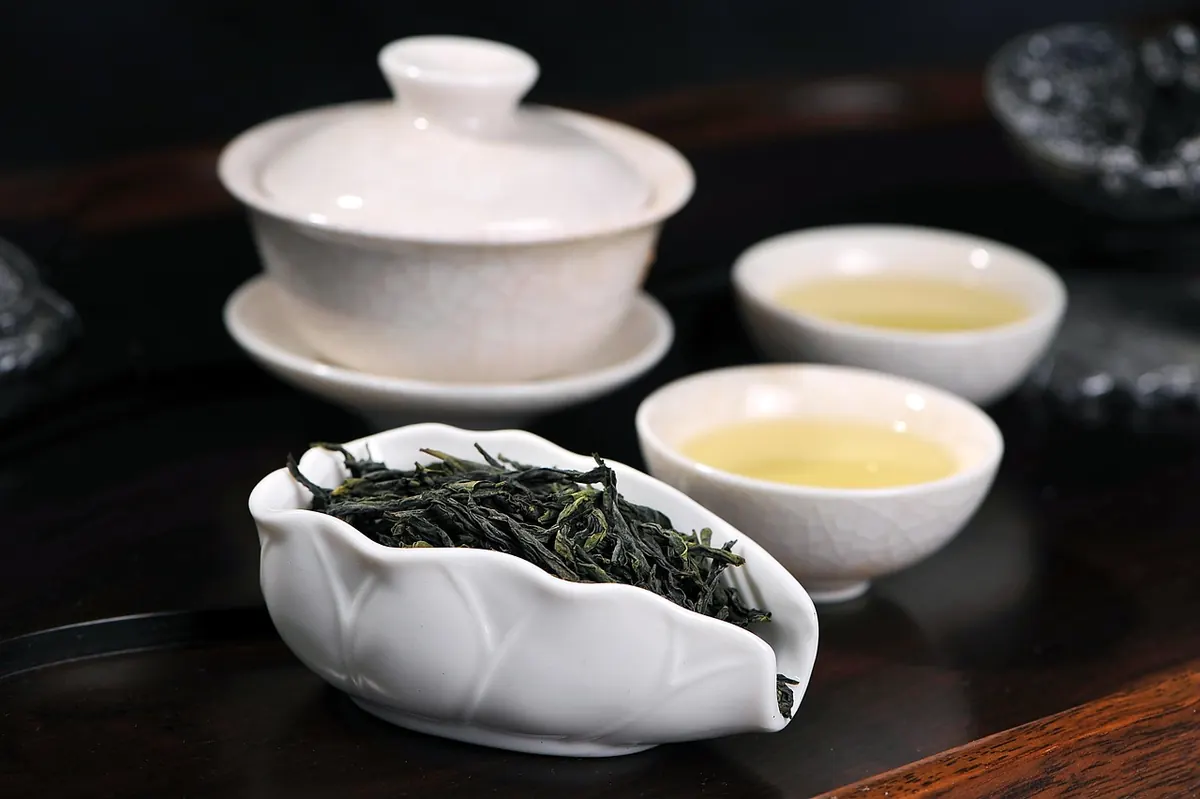
Photo: yangjoy999 / Pixabay