
Cast Iron Teapot vs Ceramic Teapot: Heat Retention, Care, and Flavor
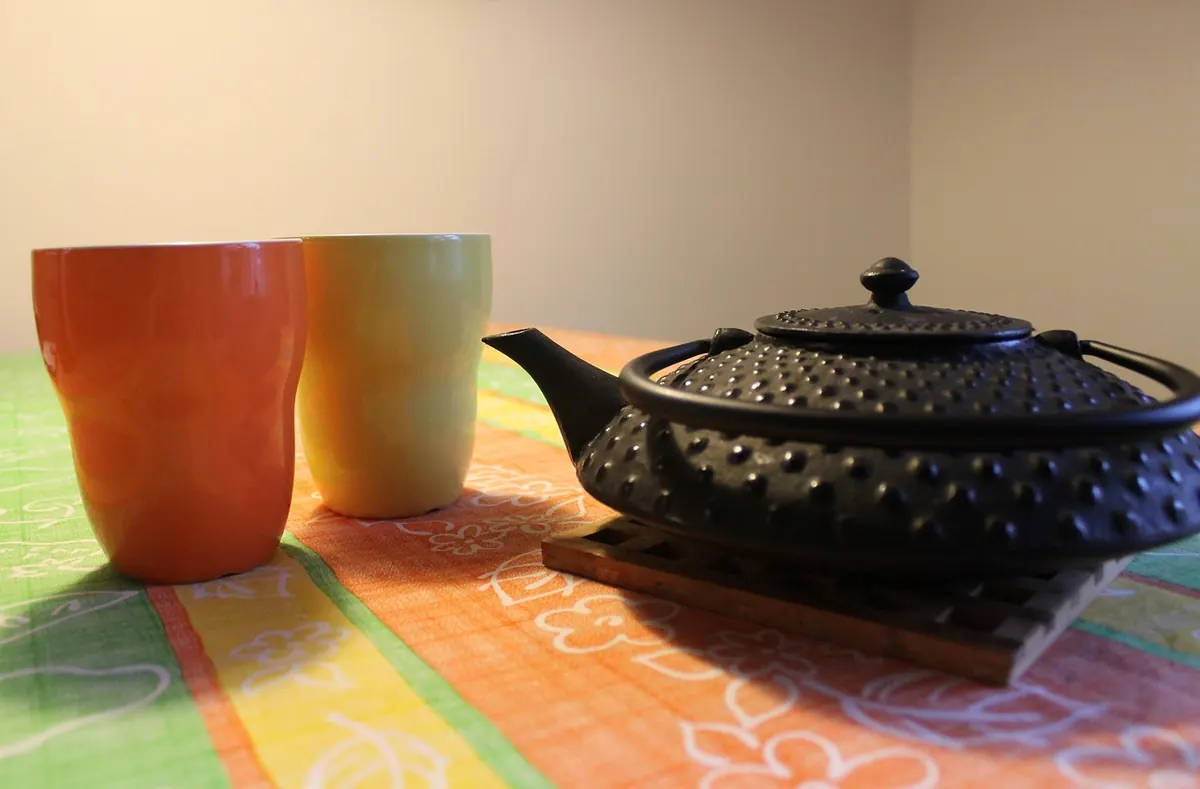
Two teapots, same leaves, noticeably different cup. That is the short version of the cast iron versus ceramic debate, and it is why the choice matters more than most people expect when they buy their first serious pot. Cast iron holds heat like a small radiator and pours with authority. Ceramic heats quickly, feels lighter in the hand, and lets you steer a delicate green tea without scalding it. Neither is better in the abstract. The right answer depends on what you brew, how often, and how much patience you have for maintenance.
Heat Retention: Where Cast Iron Wins, and Where It Doesn't
Cast iron's headline advantage is thermal mass. A heavy iron pot absorbs heat slowly, then releases it slowly, which means the water inside stays hot through a second and third steep. If you brew pu-erh, a robust black blend, or a roasted oolong and like to sit with the pot over twenty minutes, that steady warmth is genuinely useful.
The catch is control. A cast iron pot that has soaked up heat will keep pushing temperature into the leaves even after they have given everything they have, and that can turn a delicate tea bitter. Ceramic behaves in the opposite way: it comes up to temperature fast and cools fast, so you can drop the water temperature for a white tea or a first-flush green and trust that the pot will not keep stewing the leaves behind your back.
Thickness matters more than the word "ceramic" on the box. A chunky stoneware pot with thick walls holds heat reasonably well; a thin porcelain pot loses it quickly but stays comfortable to hold and is easier to pour precisely. If heat retention is your priority and you want something lighter than iron, look for thick-walled stoneware rather than fine porcelain.
Preheating Changes Everything
Whichever pot you choose, preheat it. Fill it with hot tap water, swirl, and discard before you add your brewing water. This warms the walls, reduces thermal shock to the material, and keeps your first steep from dropping several degrees the moment the water touches a cold interior. It is a ten-second habit that improves both pot types.
Flavor: How Each Material Shapes What You Taste
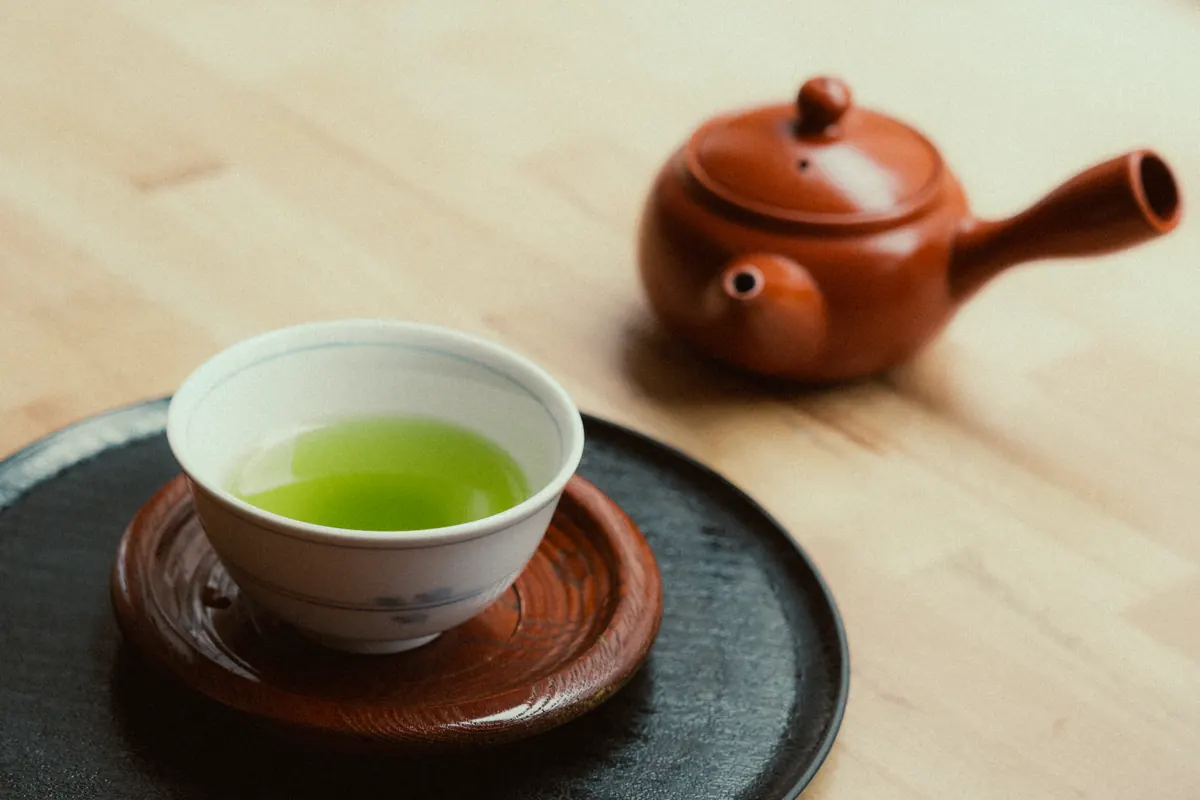
A glazed ceramic interior is essentially neutral. It contributes nothing to the tea, which makes it the most predictable option and an excellent choice if you brew widely and do not want yesterday's oolong showing up in today's sencha.
Unglazed clay is a different animal. Porous Yixing-style pots absorb oils from the leaves, and over months they build a seasoning that many drinkers find rounds out the tea. The trade-off is commitment: an unglazed pot used for several tea types will blur them together, so most people keep one dedicated to a single style.
Modern cast iron teapots usually have an enameled interior, which is also neutral. Traditional unlined tetsubin are made for boiling water rather than steeping leaves, and the water they produce is often described as softer or slightly mineral in character. If you are shopping, check the interior before you buy: enamel means easy brewing and easy cleaning, while bare iron means a different set of rules entirely.
Weight, Balance, and the Everyday Pour
A cast iron pot filled to capacity is heavy, and that weight sits in the handle and spout when you tip it. For someone with wrist or grip issues, a large iron pot is a real practical problem, not a minor annoyance. Ceramic, even thick stoneware, is lighter and generally easier to pour one-handed.
Check the pour before you commit. Some iron pots dribble down the spout; some ceramic pots have a spout too short for a clean cut-off. A slow, steady stream that stops cleanly is worth more day to day than a beautiful glaze.
Durability: Chips, Rust, and Crazing
Cast iron is difficult to break. Drop it and you are more likely to damage the floor. Its vulnerabilities are rust, on any bare iron surface, and enamel chipping, which can happen if you knock the rim or use metal utensils inside. Once enamel chips, that spot is exposed and will eventually rust.
Ceramic resists rust entirely but cracks, chips, and crazes. Thermal shock is the main risk: pouring boiling water into a cold pot, or rinsing a hot pot under cold water, can crack it. Fine glaze crackle lines are usually cosmetic, but any crack that goes through the wall means the pot is done.
Cleaning and Care: Two Different Routines
Neither pot needs to be babied, but they need different handling.
Cast Iron
- Empty the pot as soon as you finish drinking. Leaving wet leaves inside for hours is the fastest route to a stale, rusty interior.
- Rinse with hot water and wipe with a soft cloth. If the interior is enameled, a little mild dish soap is fine.
- Dry the inside thoroughly, then leave the lid off for an hour so any moisture in the crevices can escape.
- Never put cast iron in the dishwasher or microwave.
- Do not use it on a stovetop unless the manufacturer explicitly says the pot is made for direct heat. Most enameled teapots are not.
- Store with the lid slightly ajar so air can move.
Ceramic
- Rinse promptly. Glazed ceramic rarely holds onto flavors, so a hot water rinse is usually enough.
- Wash unglazed clay with water only, no soap, since the clay will absorb the scent.
- Skip the dishwasher for anything handmade, gilded, or unglazed; hand washing protects the glaze and the rim.
- Warm the pot gradually before brewing, and never move it straight from a hot rinse to a cold counter.
- Dry upside down on a rack, then store with the lid off.
Choosing Based on the Tea You Drink Most
If your shelf is full of greens, whites, and lightly oxidized oolongs, ceramic is the easier daily companion because you control the temperature closely. If you drink mostly black tea, pu-erh, or roasted oolongs and you like long sessions with a pot that stays warm, cast iron earns its weight. If you brew for two or three people at a time, a larger ceramic pot gives you more usable volume for the same effort.
A reasonable compromise for many kitchens is one glazed ceramic pot for everyday brewing and one cast iron pot for winter mornings and slow weekend sessions.
A Practical Starting Point
Buy the pot that fits the tea you actually drink, not the one that looks best on the shelf. Check three things before you pay: the interior surface, the weight when full, and the pour. Then build the habits that keep it alive — empty it promptly, dry it properly, preheat it before brewing, and keep metal utensils away from the inside. Treated that way, either material will serve you for years, and the differences between them become a matter of preference rather than a problem to solve.
Photo: Birgit_H / Pixabay