
Herbal Tea for Sleep: 7 Caffeine-Free Blends and How to Steep Them
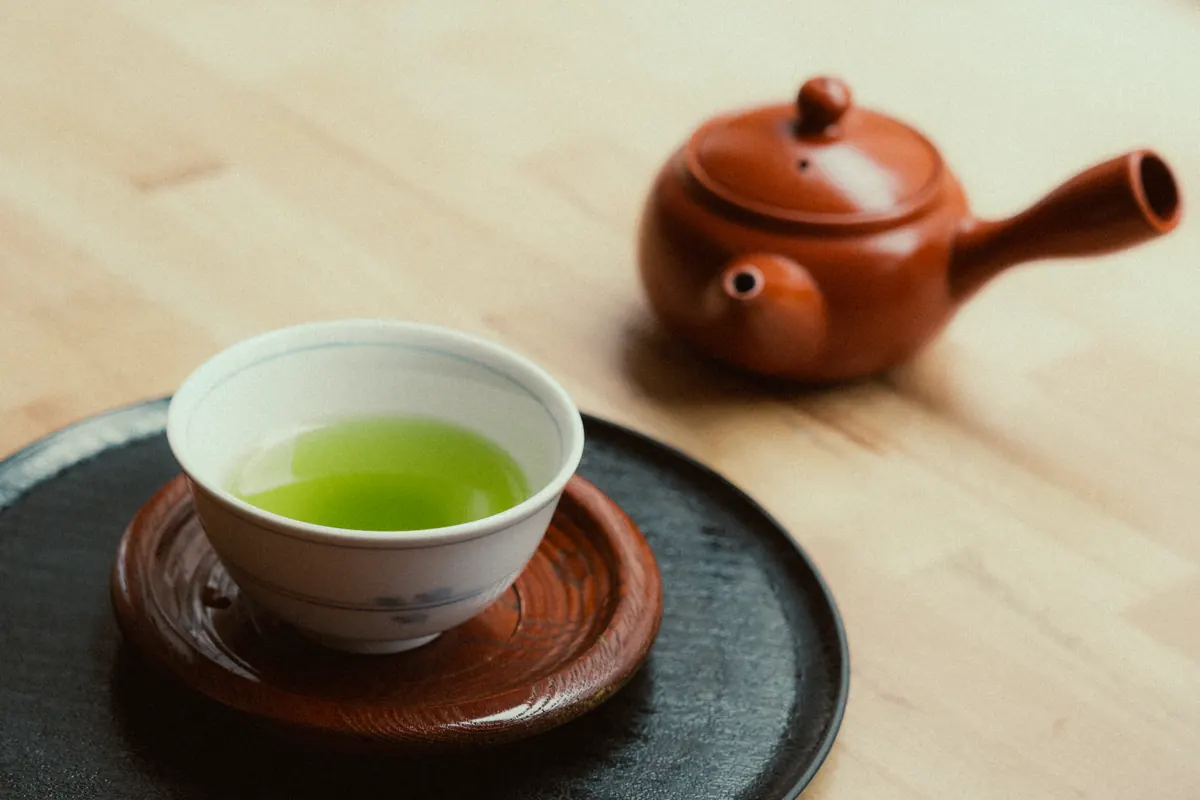
A good bedtime tea does two jobs at once. It gives you a reason to step away from the screen, and it tells your body the day is closing. Herbal blends manage that without the caffeine that keeps you staring at the ceiling at one in the morning. But only if you pick the right ingredients and brew them properly. Boiling water poured over delicate flowers turns a soothing cup bitter in seconds, and one pinch of lavender too many makes it taste like hand soap. Here is what to keep in the cupboard, what each herb tastes like, and how to steep it so you actually finish the mug.
What Makes a Bedtime Blend Work
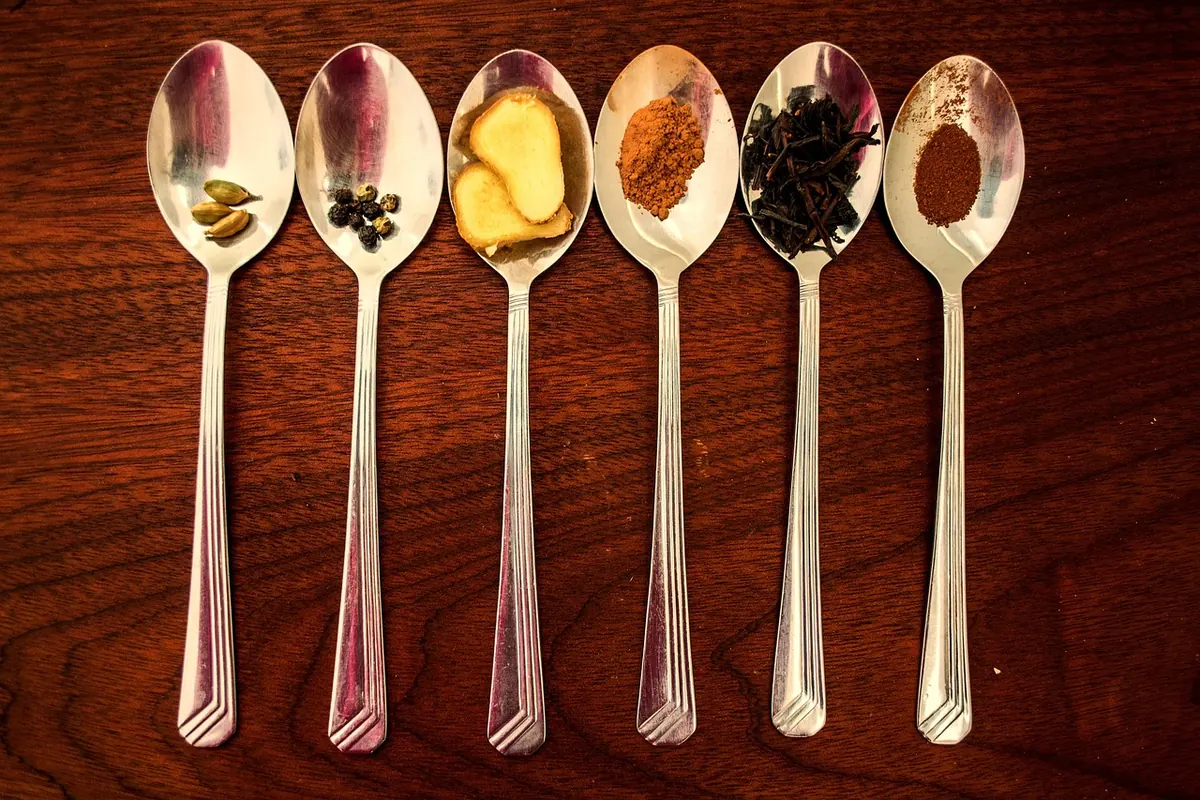
Caffeine-free is the starting point, not the whole story. The herbs that suit evenings tend to fall into two groups: aromatics, which release fragrant oils that relax you partly through scent, and earthy roots and barks, which are more grounding in flavor and generally need a longer steep. A good evening cup usually has one of each, plus a little something for sweetness.
- A base you enjoy plain. Chamomile, lemon balm, or rooibos. Mild enough to drink four nights a week without getting tired of it.
- A floral note. Lavender or passionflower, used sparingly. These are accents, not the main event.
- Something earthy. Valerian root or tulsi adds depth and keeps the cup from tasting like a dessert.
- A warm finish. A spoon of honey, a slice of fresh ginger, or a cinnamon stick. Optional, but it makes the ritual feel deliberate.
Seven Caffeine-Free Blends Worth Trying
Each of these is sold loose or in bags. Loose is usually fresher and cheaper per cup, but bags are fine if you weigh them a little longer.
- Chamomile. Soft, appley, faintly hay-like. The most forgiving herb on this list and the easiest place to start.
- Lemon balm. Bright and lemony with a minty edge. Tastes lighter than chamomile, which suits people who find floral teas cloying.
- Lavender. Perfumed and slightly sweet. Wonderful in small amounts, overwhelming in large ones. Blend it with chamomile rather than drinking it alone.
- Passionflower. Grassy and mild, with a subtle vegetal sweetness. Often paired with chamomile or lemon balm.
- Valerian root. Deeply earthy, a bit woody, some say faintly musky. Not a flavor anyone loves on its own, so tuck it behind peppermint or lemon balm.
- Tulsi (holy basil). Peppery, clove-like, warming. A good choice if chamomile feels too soft for you.
- Rooibos. Naturally sweet with notes of vanilla and wood. No bitterness even if you forget it on the counter, which makes it a reliable base for blends.
How to Steep Each One
Use about eight ounces of water per cup, and always cover the vessel while it steeps. The lid traps the aromatic oils that would otherwise drift off with the steam.
Flowers and Leaves
These are delicate. Water just off the boil — around 200°F, or a minute after the kettle clicks off — is plenty.
- Chamomile: 1 tablespoon dried flowers, 5 minutes.
- Lemon balm: 2 teaspoons dried leaf, 5 to 7 minutes.
- Lavender: 1/2 teaspoon buds, 3 to 4 minutes. Set a timer the first few times.
- Passionflower: 1 teaspoon dried herb, 7 to 10 minutes.
- Tulsi: 1 teaspoon, 5 to 6 minutes.
Roots and Bark
Hard, dense ingredients need full boiling water and patience. If your tea tastes weak, the fix is usually more time, not more herb.
- Valerian root: 1 teaspoon, boiling water, 10 to 15 minutes, covered. Add a pinch of peppermint for the last two minutes if the aroma bothers you.
- Rooibos: 1 teaspoon, boiling water, 5 to 7 minutes. Longer is fine; it will not turn bitter.
Four Rules for a Better Cup
- Measure the lavender. Half a teaspoon per cup is the ceiling. If you can smell it from across the room, you have used too much.
- Steep covered. A saucer on top of the mug works as well as a teapot lid.
- Take the leaves out. Pull the infuser or bag once the time is up. Leaving valerian in for twenty minutes gives you a cup that tastes like wet soil.
- Skip the sugar rush. A little honey is fine. A lot of it right before bed is not doing your sleep any favors.
Building Your Own Evening Blend
Start with two parts base, one part supporting herb, and a small accent. For example: two parts chamomile, one part lemon balm, and a pinch of lavender. Or two parts rooibos, one part tulsi, and a few fennel seeds for sweetness. Mix a small jar at a time — a week's worth — so you can adjust before committing to a large batch. Label it with the date and the ratio. Write the ratio down; you will not remember it next month.
Drink the cup 30 to 45 minutes before bed, while you are winding down rather than already in bed. The point is the pause as much as the herbs.
A Short Note Before You Pour
Herbs are gentler than drugs, but they are not inert. Valerian in particular can make some people drowsy and others oddly wired, and it may interact with sedatives, sleep aids, or other medication. If you are pregnant or nursing, managing a health condition, or taking prescription medicine, check with a doctor or pharmacist before making these a nightly habit. Stop using anything that leaves you groggy in the morning.
Your First Three Nights
Do not buy seven herbs at once. Pick one base — chamomile is the safest bet — and drink it three nights in a row at the same time each evening. Notice whether you like the flavor, whether the ritual itself helps you slow down, and whether you sleep any differently. Then add one accent, such as lemon balm or a whisper of lavender, and repeat. Build the cupboard slowly and you will end up with two or three blends you genuinely look forward to, which is what makes the habit last longer than a week.
Photo: hana_chado / Pixabay